Like us on Facebook
Follow us on X
Follow us on Linkedin
review us on google

Why Proper Shoe Fitting Matters for Your Foot Health

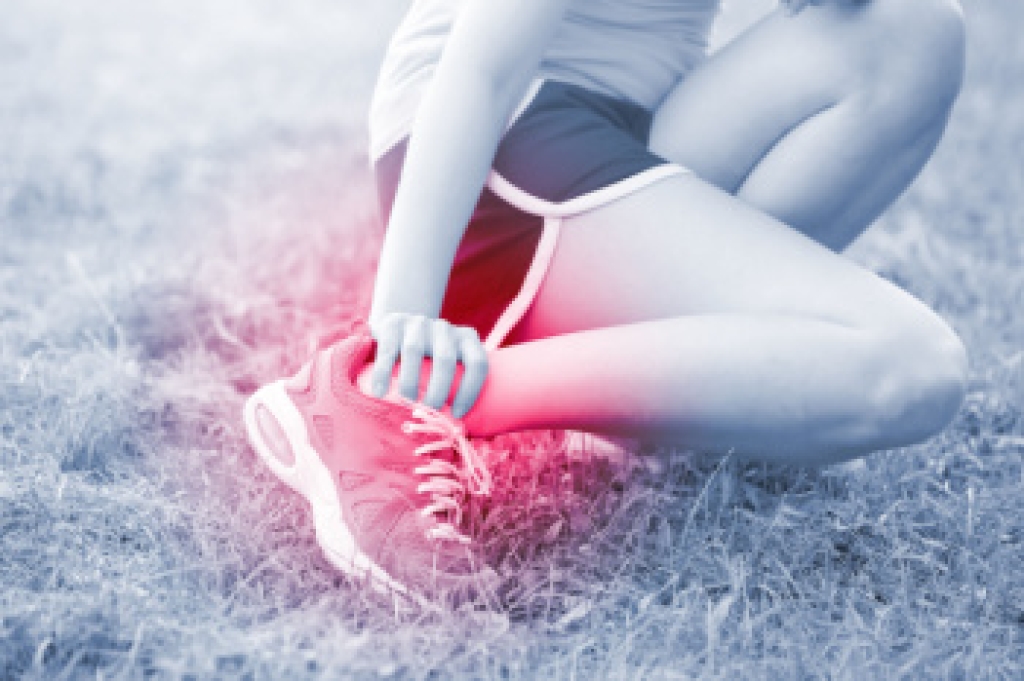
Proper shoe fitting is essential for keeping your feet comfortable and preventing unnecessary pain. The right shoes help you avoid foot strain and discomfort while supporting better balance and posture in daily activities. When shoes fit well, they also improve performance during physical activity by allowing the feet to move naturally and efficiently. Good footwear contributes to overall health and awareness by encouraging proper alignment and reducing stress on joints throughout the body. A podiatrist can assess your foot structure, recommend the best shoe type for your needs, and address any existing issues caused by wearing poorly fitting footwear. If you have foot pain from wearing shoes that do not fit correctly, it is suggested that you consult a podiatrist who can offer effective relief tips, and guide you on the correct shoes to wear.

It is important to find shoes that fit you properly in order to avoid a variety of different foot problems. For more information about treatment, contact Kenneth Williams, DPM from Texas. Our doctor will treat your foot and ankle needs.

Proper Shoe Fitting

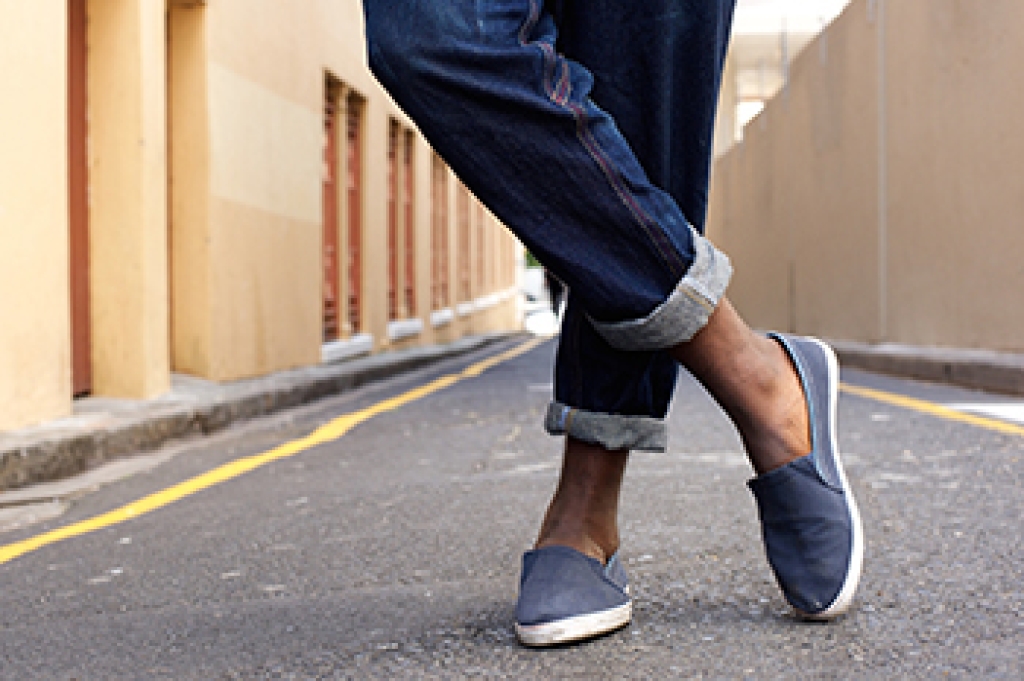
Shoes have many different functions. They cushion our body weight, protect our feet, and allow us to safely play sports. You should always make sure that the shoes you wear fit you properly in order to avoid injuries and deformities such as: bunions, corns, calluses, hammertoes, plantar fasciitis, stress fractures, and more. It is important to note that although a certain pair of shoes might be a great fit for someone else, that doesn’t mean they will be a great fit for you. This is why you should always try on shoes before buying them to make sure they are worth the investment. Typically, shoes need to be replaced ever six months to one year of regular use.

Tips for Proper Shoe Fitting

  • Select a shoe that is shaped like your foot
  • Don’t buy shoes that fit too tight, expecting them to stretch to fit
  • Make sure there is enough space (3/8” to ½”) for your longest toe at the end of each shoe when you are standing up
  • Walk in the shoes to make sure they fit and feel right
  • Don’t select shoes by the size marked inside the shoe, but by how the shoe fits your foot

The shoes you buy should always feel as good as they look. Shoes that fit properly will last longer, feel better, and improve your way of life each day.

If you have any questions please contact our office located in San Antonio and Beeville, TX . We offer the newest diagnostic and treatment technologies for all your foot and ankle needs.

Read more about Getting the Right Shoe Size

Pronation and Supination in the Feet

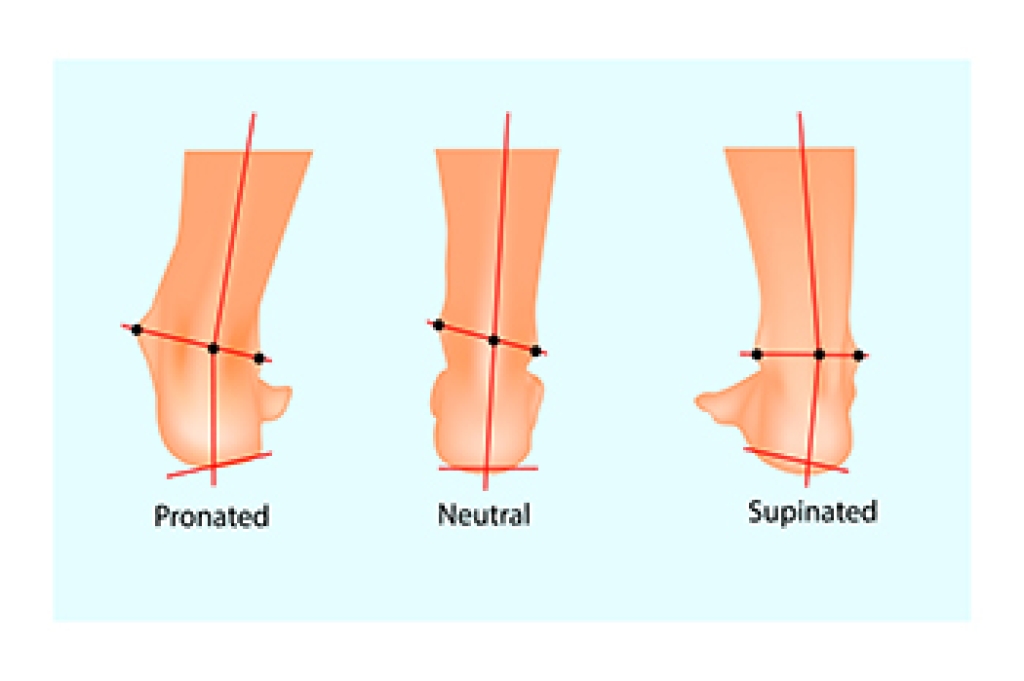
Pronation and supination describe how the feet roll during walking or running, affecting the way weight is distributed with each step. Pronation occurs when the foot rolls inward, allowing the arch to flatten and absorb shock. Supination happens when the foot rolls outward, placing pressure on the outer edge. When these motions become excessive, they can lead to foot pain, arch strain, and ankle instability. Overpronation may cause stress on the heel and inner arch, while oversupination often results in discomfort in the outer foot or ankle. Improper shoe support, high arches, or flat feet often influence these gait patterns. A podiatrist can evaluate the alignment and function of the feet, recommend supportive footwear or orthotic devices, and discuss corrective options, when necessary. If you have foot pain, especially after activity, it is suggested that you schedule an appointment with a podiatrist for a diagnosis and appropriate treatment options.

If you have any concerns about your feet, contact Kenneth Williams, DPM from Texas. Our doctor can provide the care you need to keep you pain-free and on your feet.

Biomechanics in Podiatry

Podiatric biomechanics is a particular sector of specialty podiatry with licensed practitioners who are trained to diagnose and treat conditions affecting the foot, ankle and lower leg. Biomechanics deals with the forces that act against the body, causing an interference with the biological structures. It focuses on the movement of the ankle, the foot and the forces that interact with them.

A History of Biomechanics

  • Biomechanics dates back to the BC era in Egypt where evidence of professional foot care has been recorded.
  • In 1974, biomechanics gained a higher profile from the studies of Merton Root, who claimed that by changing or controlling the forces between the ankle and the foot, corrections or conditions could be implemented to gain strength and coordination in the area.

Modern technological improvements are based on past theories and therapeutic processes that provide a better understanding of podiatric concepts for biomechanics. Computers can provide accurate information about the forces and patterns of the feet and lower legs.

Understanding biomechanics of the feet can help improve and eliminate pain, stopping further stress to the foot.

If you have any questions please feel free to contact our office located in San Antonio and Beeville, TX . We offer the newest diagnostic and treatment technologies for all your foot and ankle needs.

Read more about Biomechanics in Podiatry

Heel Lumps and What Causes Them

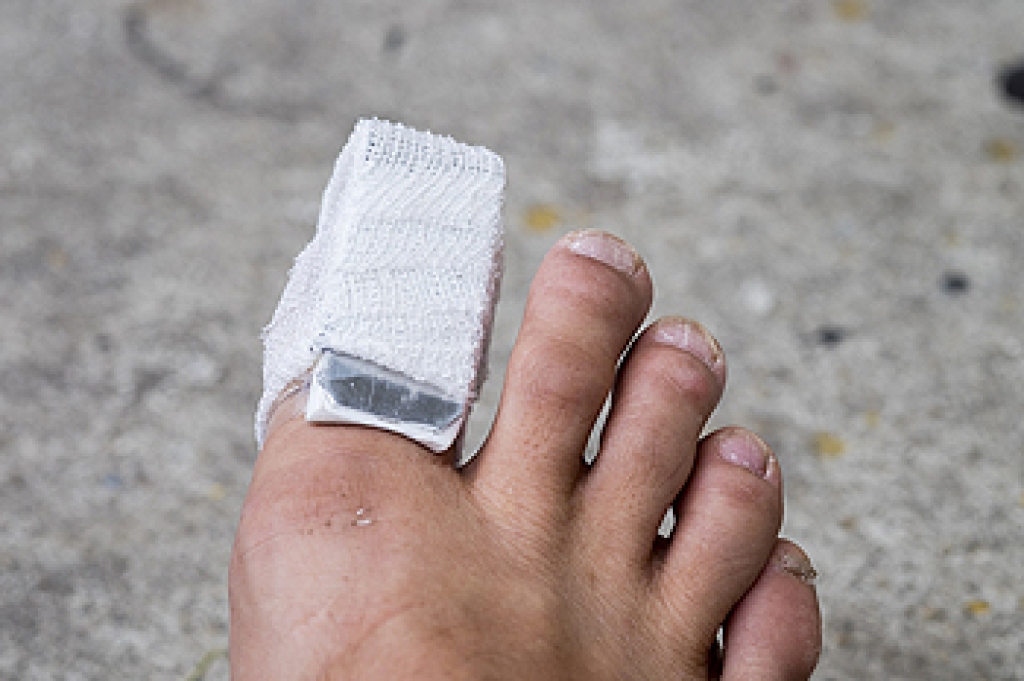
A lump on the heel is often linked to a condition known as Haglund’s deformity, where a bony prominence develops at the back of the heel bone. This extra bone growth can irritate the Achilles tendon and the bursa, a small fluid-filled sac that normally reduces friction. This can lead to swelling, redness, and localized pain. Contributing causes may include tight calf muscles that increase tension on the tendon, genetic factors like high arches that shift the heel bone backward, or footwear with a stiff backs like pumps, ice skates, or high heels that create repeated friction. A podiatrist can perform an exam to determine if the heel lump is related to bone spurs, bursitis, or tendon irritation. Treatment options include stretching exercises, changes in footwear, medication, and surgery, in persistent cases. If you notice the formation of a lump on the heel, it is suggested that you schedule an appointment with a podiatrist for appropriate treatment.

Many people suffer from bouts of heel pain. For more information, contact Kenneth Williams, DPM of Texas. Our doctor can provide the care you need to keep you pain-free and on your feet.

Causes of Heel Pain

Heel pain is often associated with plantar fasciitis. The plantar fascia is a band of tissues that extends along the bottom of the foot. A rip or tear in this ligament can cause inflammation of the tissue.

Achilles tendonitis is another cause of heel pain. Inflammation of the Achilles tendon will cause pain from fractures and muscle tearing. Lack of flexibility is also another symptom.

Heel spurs are another cause of pain. When the tissues of the plantar fascia undergo a great deal of stress, it can lead to ligament separation from the heel bone, causing heel spurs.

Why Might Heel Pain Occur?

  • Wearing ill-fitting shoes                
  • Wearing non-supportive shoes
  • Weight change           
  • Excessive running

Treatments

Heel pain should be treated as soon as possible for immediate results. Keeping your feet in a stress-free environment will help. If you suffer from Achilles tendonitis or plantar fasciitis, applying ice will reduce the swelling. Stretching before an exercise like running will help the muscles. Using all these tips will help make heel pain a condition of the past.

If you have any questions, please feel free to contact our office located in San Antonio and Beeville, TX . We offer the newest diagnostic and treatment technologies for all your foot care needs.

Read more about Heel Pain
scroll to top